
"Having a Different Viewpoint Is Dangerous Now" — Students Across America Open Up About Campus Debate
Banjo recently surveyed more than 1,000 U.S. college students about free expression, debate, and what it feels like to disagree on campus in 2026. We heard from students at large public universities, community colleges, historically Black colleges and universities, art schools, religious institutions, and Ivy League campuses from coast to coast.
What they told us was consistent, candid, and a little alarming.
The full report — with quantifiable data and statistically significant findings — is coming soon. But before the numbers, we wanted to give the voices behind them their own moment. This is what students are actually saying.
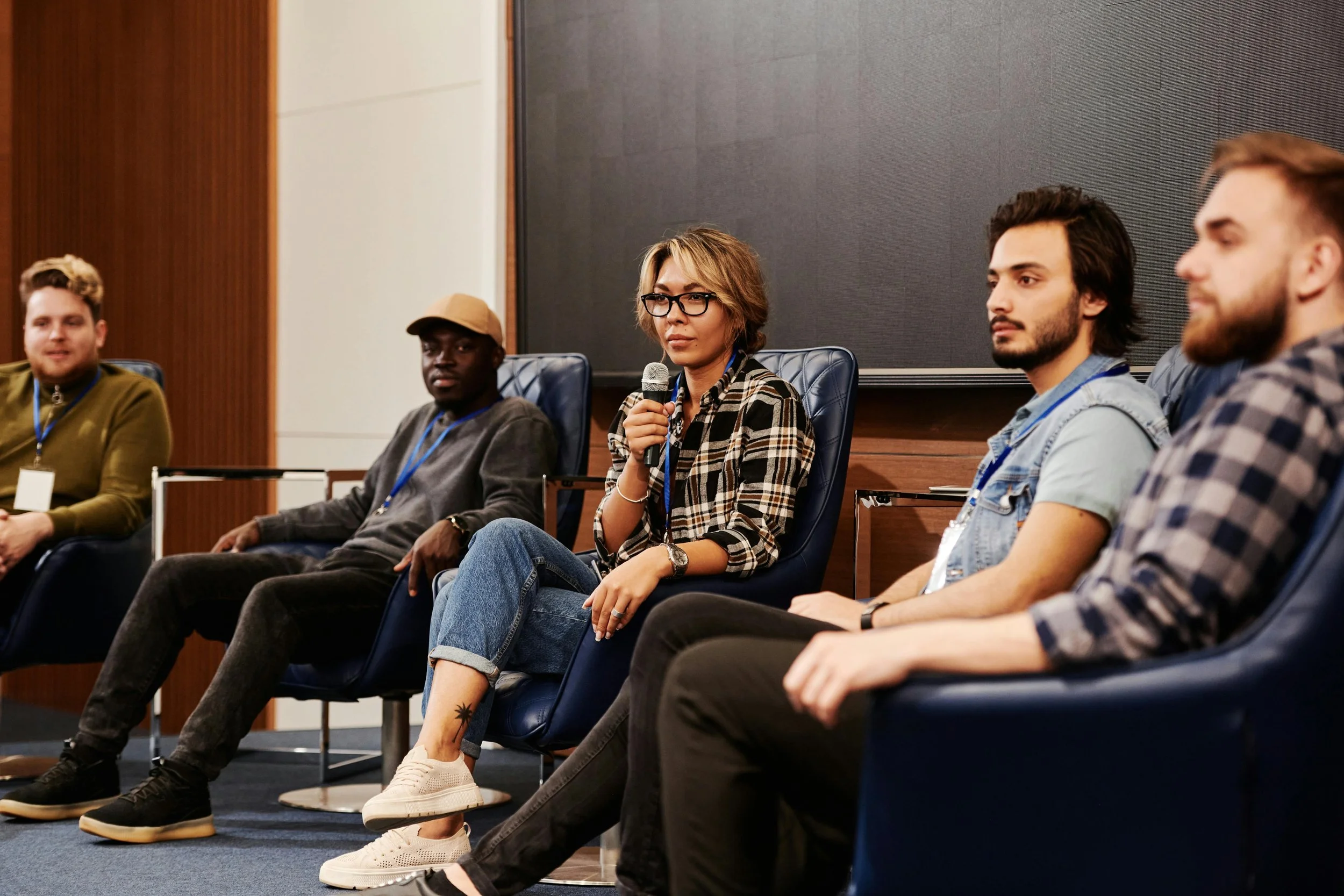
The fear of speaking up is real.
A fourth-year at a university in the Northeast was blunt: "I personally would not want to because having a different viewpoint is dangerous now."
A second-year at a community college in the Northeast described the same feeling: "I'm scared to touch on controversial subjects in fear of being ostracized."
A first-year at a university in the Pacific Northwest connected it to the digital environment students now live in: "Many people worry that they will say something that other people will disagree with and it will be posted online and result in social strain."
Campus culture is making it worse, not better.
A fourth-year political science student in New York described navigating her own campus: "My school is pretty left leaning so if you're not fully left leaning you could be a target for online hate or isolation. This makes it hard as an informed political science student who had moderate views."
A second-year at a Pennsylvania-located university described the quiet calculation many students make before speaking: "If the environment doesn't feel respectful or open, students might think, 'It's not worth it,' and stay quiet instead."
A first-year at a Mid-Atlantic university was similarly guarded: "I have a few political opinions that I know my own friends would be upset at, thus I cannot share them.”
When debate does happen, it's often the wrong kind.
A fourth-year at a school in the Midwest described what campus discourse actually looks like right now: "With the current political climate, I do not see any way for college students to engage in debate when they are so holed up in their own views."
A second-year in the southern U.S. identified what's driving it: "These days it seems people only debate to prove to the other side that they're smarter and know more about the topic."
A fourth-year in California-based university described what that looks like in practice: "People never try listening to each other during debates, only talking over one another, constant interruptions, and rage baiting. It is never productive and only a means of getting views on social media."
A third-year at a South Carolina-based school captured the emotional exhaustion underneath it: "I feel like hate is always a topic that swings the room around and it is hard because everyone thinks they are the good guys and no one ever takes accountability of their own actions."
The topics students most want to discuss are the ones they feel least able to.
A fourth-year in New York tried — and described what happened: "I've tried to peacefully discuss my opinions before and have immediately gotten shut down and berated for them, even by people who have known me for years."
A second-year described a quieter version of the same dynamic: "Many political issues are difficult to discuss in fear of not being heard or bringing up emotions that are too heavy."
A fourth-year named the cost of even engaging with certain ideas: "My views often differ from the theories I read, but I may be unfairly judged for reading certain things."
Students know something is broken. They're asking for something better.
54% of students said their campus would be a better place with more opportunities for civil debate. They have ideas about what that looks like — and so do we.
We'll be sharing the full report soon, including what students said they actually need, and what we believe can get us there.
Follow along to see it first.
