
Free Speech on College Campuses: What Students Actually Want
Study reveals how college students think about free expression, why many hesitate to speak up, and what makes meaningful dialogue possible.
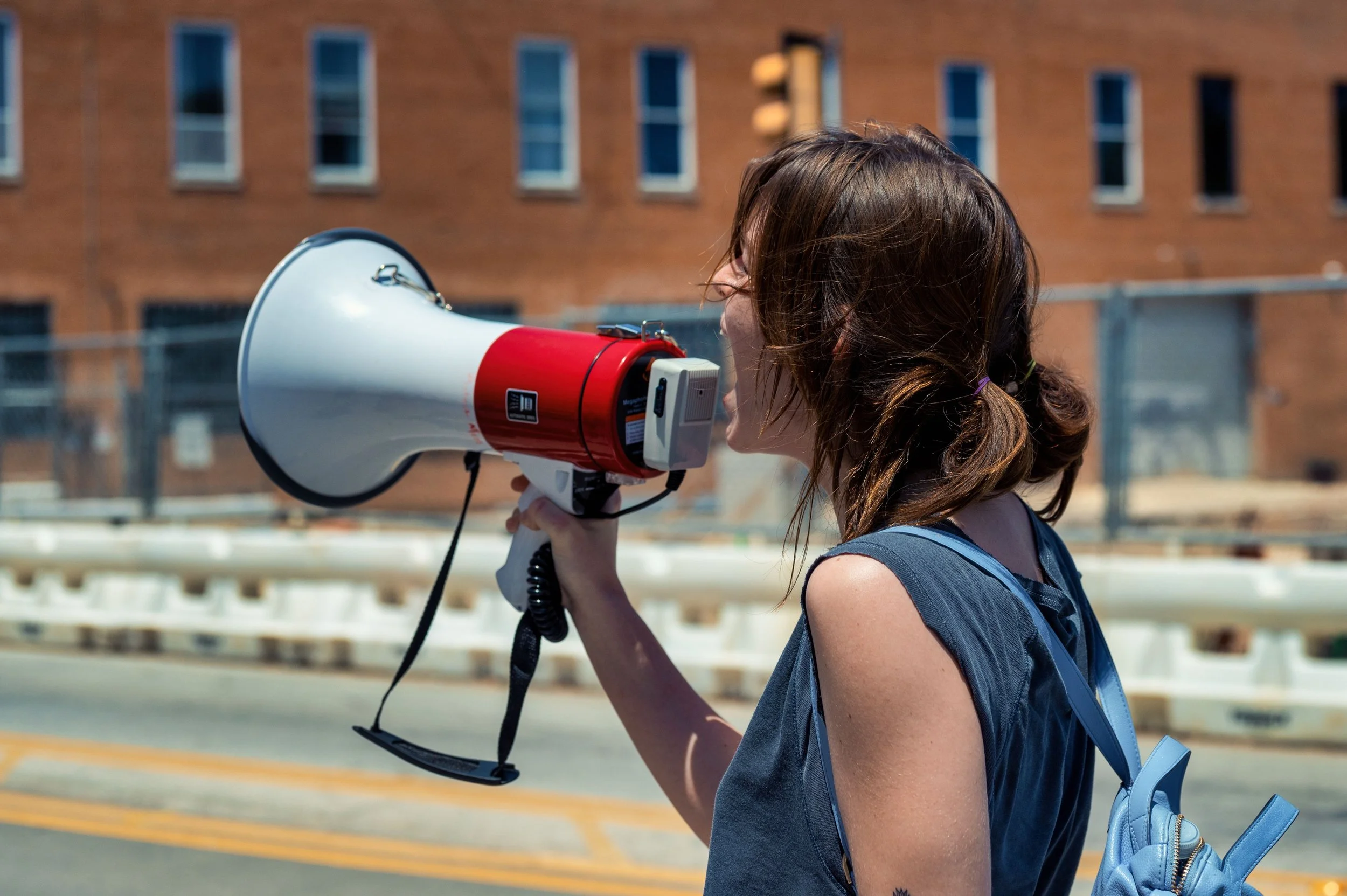
Banjo's 2026 study asked 1,019 students at U.S. colleges and universities about free expression, disagreement, and campus dialogue. Students value free speech, but their views on its limits — and its consequences — are more nuanced.
What Does Free Speech Mean to College Students?
According to Banjo’s research, 65% of college students say freedom of expression is valued at their school. However, when asked what healthy free expression should look like, students offered different perspectives:
40% believe expression should be free but come with social accountability.
24% believe expression should be free as long as it doesn't harm others.
20% favor free expression within agreed-upon community guidelines.
11% believe anyone should be able to say anything without restriction.
Together, 84% favor some form of accountability or boundaries around expression.
Consider a scenario in which a university invites a controversial speaker to campus, but some students want the event canceled because they find the speaker's views offensive. Others argue that hearing unpopular ideas is part of a college education. Both groups may say they support free speech, but they have very different ideas about what that means in practice.
For most students, free speech isn't simply a choice between saying anything and saying nothing. Many see room for both open expression and expectations about how people treat one another.
Students' own words illustrate these different perspectives:
"A healthy culture of free expression would include civil discourse without yelling, shouting or putting the other person down for their beliefs. It would be an environment where people wouldn't be afraid to voice their opinions even when they don't have the opinion of the majority."
— 4th-year Psychology student, Hofstra University
"Free speech ensures that those in power alone don't control progress; it empowers anyone with a vision for a better society to speak up, inspire action, and turn ideas into lasting change."
— 3rd-year Engineering student, New York University
Why College Students Hesitate to Speak Freely
While most students say they support free expression, they don’t necessarily feel comfortable exercising it. Banjo's research found that:
57% of college students hesitate to share their opinions because they are worried about how others will react.
61% would express their opinions more honestly if they could remain anonymous.
76% have experienced or witnessed negative consequences from a disagreement, ranging from lost friendships and social exclusion to online harassment and, in some cases, physical confrontation.
Even when students know they have the right to speak, they're still not always willing to raise their hands. While 75% feel comfortable expressing their honest opinions among close friends, that figure drops to 55% in lectures or seminars and just 46% at campus events or panels.
As students explained:
"I'd like to discuss controversial topics like politics or identity, but it can feel risky. Fear of judgment, social pressure to 'pick a side,' and discussions turning into arguments instead of real conversations often get in the way."
— 3rd-year History student, University of Wisconsin–Madison
"The current environment often prioritizes conformity over genuine, diverse expression of ideas."
— 2nd-year Business student, Washington State University
"People stopped talking to me after challenging their worldview."
— 4th-year Criminal Justice student, University of Alabama
And yet students aren't necessarily avoiding debate altogether. The demand for more productive dialogue is substantial.
Read: 92% of College Students Want to Debate — So Why Aren't They Getting It?
Does Free Speech Mean Freedom from Consequences?
One of the most contentious questions surrounding free speech is where expression ends and accountability begins.
The First Amendment generally protects against government restrictions on speech, but it doesn't necessarily shield someone from criticism, damaged relationships, or other social consequences.
Some recent controversies demonstrate how complicated this question can become. Universities have fired or disciplined faculty members over political social media posts, prompting legal challenges over free speech and academic freedom. At Columbia University, pro-Palestinian campus demonstrations led to arrests, although charges against many protesters were subsequently dropped.
Both scenarios have raised difficult questions about where protected expression ends and when institutional or legal consequences are appropriate.
In Banjo's survey, 84% of students favored some form of accountability or boundaries around expression, but again, with varying perspectives on where to draw the line:
"Words can leave permanent scars, so I believe humans should be VERY careful on how they use their words. A healthy culture of free expression would be thinking before you speak, and being held accountable for your word choices."
— 4th-year Human Resources student, Texas A&M University
"Your freedom of expression ends where another's begins. You must be tolerant of others' opinions. However, freedom of expression does not mean freedom of action. Tolerance does not mean ignorance."
— Trade/Vocational Electrical Engineering student, University of San Francisco
The challenge for universities isn't to eliminate disagreement or guarantee that speech will never offend. It's to help students challenge ideas, express unpopular opinions, and engage across differences without every disagreement becoming a personal conflict.
How Colleges Can Encourage Free Speech and Productive Dialogue
Despite these challenges, students aren't rejecting debate.
In fact, 92% of college students express interest in engaging in debate and discussion with peers, and 78% say they've changed their minds as a result of a discussion or debate.
When asked what made their most productive conversations work, students identified:
65%: Clear structure or format
62%: Active listening
60%: Everyone having a chance to speak
58%: Genuine diversity of opinions
55%: A skilled moderator
In other words, students pointed to the format, not just the topic, as a critical factor to successful dialogue.
Consider a professor teaching a large lecture course. Rather than putting students on the spot to defend their views in front of 150 classmates, the professor could invite them to respond to a statement outside class, consider their position, and share their reasoning when they're ready. Students could explore opposing arguments, ask questions, and even change their minds as the conversation develops.
This gives students time to think and creates opportunities for quieter voices to contribute. It can also help students build the confidence and skills to speak up in class, participate in group discussions, and eventually express their views more comfortably in public.
Students offered practical suggestions for creating more productive discussions:
"I think creating smaller, moderated groups where everyone has a designated time to speak would help."
— 5th-year+ Healthcare student, Harvard University
"Most students are told to 'be respectful,' but not how. Schools should explicitly teach skills like active listening, steelmanning (restating the other side fairly), and separating people from ideas."
— 3rd-year History student, University of Wisconsin–Madison
"[We need] clear structure and expectations. When students know the rules, the format, and what's considered respectful, discussions stay focused and people feel more comfortable speaking up."
— 2nd-year Psychology student, University of Texas at Austin
Free Speech Is Just the Beginning
Students want to debate difficult issues and explore different perspectives, but many hesitate to speak openly.
Banjo is designed to make those conversations easier. Take a position, explain your reasoning, and consider opposing arguments in a structured environment where everyone has room to contribute.
Where do you stand on free speech? Join the discussion on Banjo, explore topics ranging from censorship to accountability, and share your perspective.
Join the conversation on Banjo →
Banjo's public beta is free and open to everyone.
About the research: Banjo's 2026 report, The Discourse Divide, surveyed 1,019 students enrolled in two- and four-year U.S. colleges and universities between April 3-11, 2026. Respondents represented 48 states and more than 600 institutions. All student quotations are drawn from the report.
